Investment Scam Red Flags: How to Avoid Fake Trading and Crypto Schemes
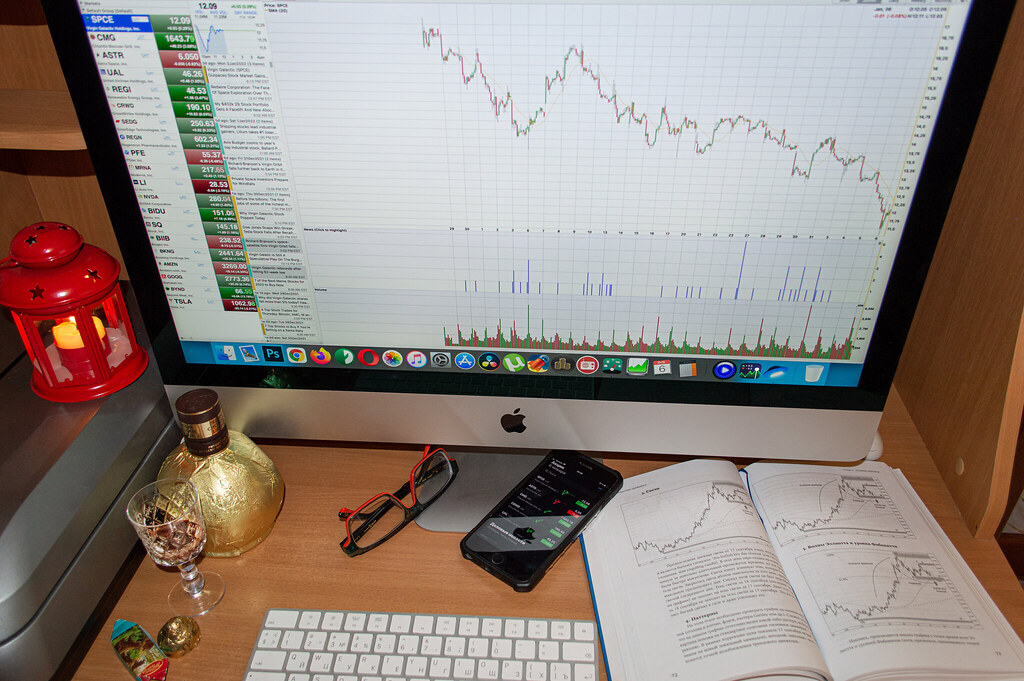
Investment scams promise high, low-risk returns, push you to act quickly and often use professional-looking apps to hide the fraud. If an opportunity guarantees profits, relies on recruitment, or pressures you to deposit now, treat it as a scam until proven otherwise.
The core promise of every investment scam
Every legitimate investment involves risk, and higher potential return generally means higher risk. Scammers invert that rule. They offer large, steady, often “guaranteed” returns with little or no risk, because they know that is exactly what people hope to hear.
Common forms include fake trading platforms, cryptocurrency schemes, Ponzi-style programs that pay early investors with money from new ones, and “signal” groups on messaging apps that promise insider tips.
Red flags checklist
- Guaranteed or unusually steady returns.
- Pressure to act fast, with countdowns or “limited spots”.
- Unsolicited contact by message, call or social media.
- A mentor or friend you met online who suddenly shares a profitable platform.
- Complex or vague explanations of how profits are made.
- Payment by crypto, wire or gift card only.
- Bonus for recruiting others.
- No clear registration or verifiable company details.
- Difficulty withdrawing. Fees, taxes or “verification” charges appear when you try to take money out.
How fake trading platforms keep victims paying
A typical scheme starts with small, easy wins. You deposit a modest amount, the dashboard shows gains, and you may even be allowed to withdraw a small sum, which builds trust. Then you are encouraged to deposit far more. The numbers on screen are made up, because the website is simply a display controlled by the scammer.
When you try to withdraw a large amount, you face new demands: a tax, a fee, an account upgrade. Each payment is followed by another excuse. The cycle ends only when the victim stops paying, at which point the platform may disappear.
How to check an opportunity
- Ask who is behind it. Look for a real company, named people and a registration you can verify with an official regulator in your country.
- Search independently. Look up the name along with words like “scam” or “complaints”, without using links the promoter gave you.
- Question the source. Who contacted whom, and why?
- Understand the product. If you cannot explain in a sentence how it makes money, do not invest.
- Slow down. Any legitimate offer will still be there after a few days of research.
- Talk to someone neutral, such as a trusted friend or a licensed adviser.
Protecting yourself on social media and messaging apps
Many schemes spread through social platforms, using fake testimonials, screenshots of profits and impersonated celebrities or influencers. Treat endorsements as advertising, not evidence. Be wary of private groups that celebrate gains but delete critical comments. Do not give a stranger access to your trading account or share screens with them.
If you have already invested
Stop sending additional money, even if you are told it will unlock your funds. Save screenshots, wallet addresses, transaction records and chat logs. Contact your bank or payment provider and report the scheme to the appropriate financial authorities. Be cautious about “recovery services” that contact you offering to retrieve your money for an upfront fee, as these are a common follow-up scam.
Questions to ask before you invest
Having a short list of questions gives you something to hold on to when you feel pressured. Write down the answers, and walk away if they are evasive.
- Who is the person or company, and where can I verify their registration independently?
- How exactly does this produce returns, in plain language?
- What are the risks, and what happens if I lose money?
- What fees do I pay, to whom, and when?
- How and when can I withdraw, and what is the process?
- Why was I approached, and why now?
- Is there anything I am being asked to keep private?
Honest professionals welcome these questions. Scammers deflect, change the subject or tell you the chance will disappear. You can also set a personal cooling-off period, for instance a rule that you never invest within 48 hours of first hearing about an opportunity. This delay is a simple, powerful defense, because the pressure that drives most scams fades quickly with time and a clear head.
A closing thought
Remember that scammers adapt to current trends, so the label on the scheme changes while the pattern stays the same. Whether it is described as trading, mining, staking, forex or an exclusive club, the same questions apply: who is accountable, where does the money go, and can you withdraw it freely? Keep your decisions grounded in those basics rather than in the excitement of the moment.
Frequently asked questions
Are all crypto investments scams?
No, but crypto is commonly used by scammers because transfers are fast and hard to reverse. Apply the same checks to any investment.
Why do scammers let me withdraw a small amount?
It builds trust and encourages bigger deposits. A successful small withdrawal does not prove the platform is real.
Can I trust celebrity endorsements?
Not without verification. Scammers often fake endorsements using stolen images or edited videos.
Key takeaways
- Guaranteed returns and pressure to hurry are the biggest red flags.
- Verify the company and registration independently.
- Be cautious of platforms that make withdrawals difficult or add fees.
- If you have invested, stop paying, keep records and report.