Smart Camera and Video Doorbell Security: What to Change
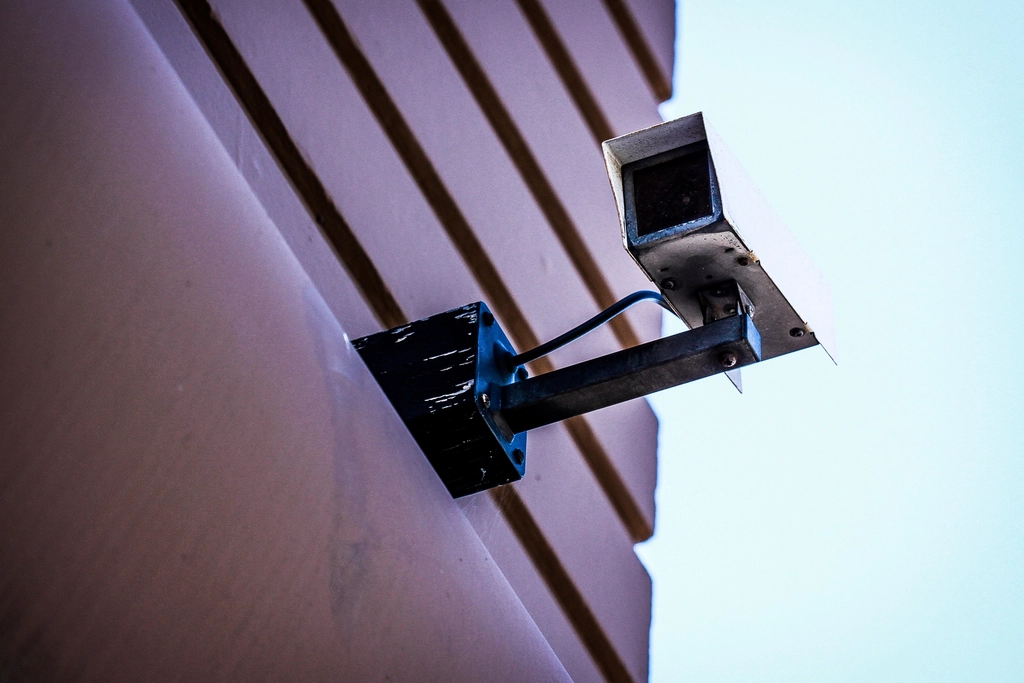
To secure a smart camera or video doorbell, protect its account with a unique password and two-step verification, keep the firmware updated, and limit who can view the footage. A camera that watches your home is only useful if you are the only one watching.
How cameras get exposed
Most camera break-ins are not clever. They happen because an account password was reused from a leaked site, because default settings were never changed, or because a link to the video was shared too widely. Sometimes the problem is outdated firmware that has a known weakness.
That means the most effective defenses are the unglamorous ones: account security, updates and sharing discipline.
Secure the account first
- Use a long, unique password that you do not use anywhere else.
- Turn on two-step verification, preferably with an authenticator app rather than text messages.
- Check the list of signed-in devices and sign out any you do not recognize.
- Give family members their own accounts or limited shared access instead of handing out your login.
- Use a separate email address for the camera account if you can, to reduce what an attacker gains from a breach elsewhere.
Network and device settings
- Place the camera on a guest or IoT network so it cannot reach your computers.
- Install every firmware update, and enable automatic updates if available.
- Disable features you do not use, such as remote viewing from unknown locations, public sharing links or open ports.
- Choose end-to-end or strong encryption options if the camera offers them, understanding the trade-offs for features like cloud search.
- Change the default device name so it does not reveal the model or your address.
Placement and privacy
Point cameras at your own property, not at neighbors’ windows, gardens or the public pavement more than necessary. Many places have rules about recording others, and a well-framed camera is both more respectful and more useful. Use privacy zones or masks to block areas that should not be recorded.
Avoid indoor cameras in bedrooms and bathrooms. If you use indoor cameras at all, consider a physical shutter, or schedule them to turn off when you are home. Tell guests, babysitters and cleaners when cameras are present.
Doorbell specifics
Video doorbells capture everyone who comes to your door, including delivery drivers and passers-by. Review the motion zones so the camera is not constantly recording the street. Check who has shared access, and look at whether footage can be shared with third parties or neighbors by default. If you ever lend or sell the doorbell, remove it from your account and reset it.
What to do if you suspect someone is watching
Signs include unexplained camera movement, an LED turning on, strange audio, or login alerts you did not trigger. Change the account password, sign out all sessions, enable two-step verification, update the firmware and, if the problem persists, factory reset the device and set it up again from scratch.
Choosing a camera with security in mind
When shopping, look beyond resolution and price. Check whether the manufacturer clearly describes how it handles security updates, whether the camera supports two-step verification for its account, and whether the video is encrypted when it travels and when it is stored. A company that explains these points in plain language is usually taking them seriously.
Think about where the footage lives. Cloud storage is convenient and survives a break-in, yet it relies on the provider and on your account security. Local storage avoids that dependency, but the recording can be taken with the device. Some households use both: local recording for everyday events and a cloud copy only for motion clips.
Sharing footage responsibly
Footage can include neighbors, delivery staff and children playing nearby. Before sharing a clip, ask whether it is necessary. If you are passing it to the police or an insurer, send it directly and keep the original. Avoid posting clips publicly, since a clip that you intended to help can also reveal your routines, your door layout or when no one is home.
Review any community or neighborhood sharing features in the app. Some are enabled by default and allow other users or services to request clips. Switch them off if you do not want that, and revisit the setting after major updates, because new features sometimes arrive switched on.
Frequently asked questions
Is cloud or local storage safer?
Each has trade-offs. Cloud storage survives theft of the camera but depends on account security. Local storage keeps footage at home but can be lost if the device is stolen.
Can someone watch my camera without a password?
Not if it is properly set up. Risk grows when default credentials, shared links or old firmware are left in place.
Should I cover indoor cameras?
If a camera is not needed while you are home, a shutter or a power-off schedule is a simple privacy measure.
Key takeaways
- Secure the account with a unique password and two-step verification.
- Keep cameras on an isolated network and updated.
- Limit sharing, review access and use privacy zones.
- Reset the device and remove it from your account before giving it away.